
The Middle East is once again standing at the edge of uncertainty.
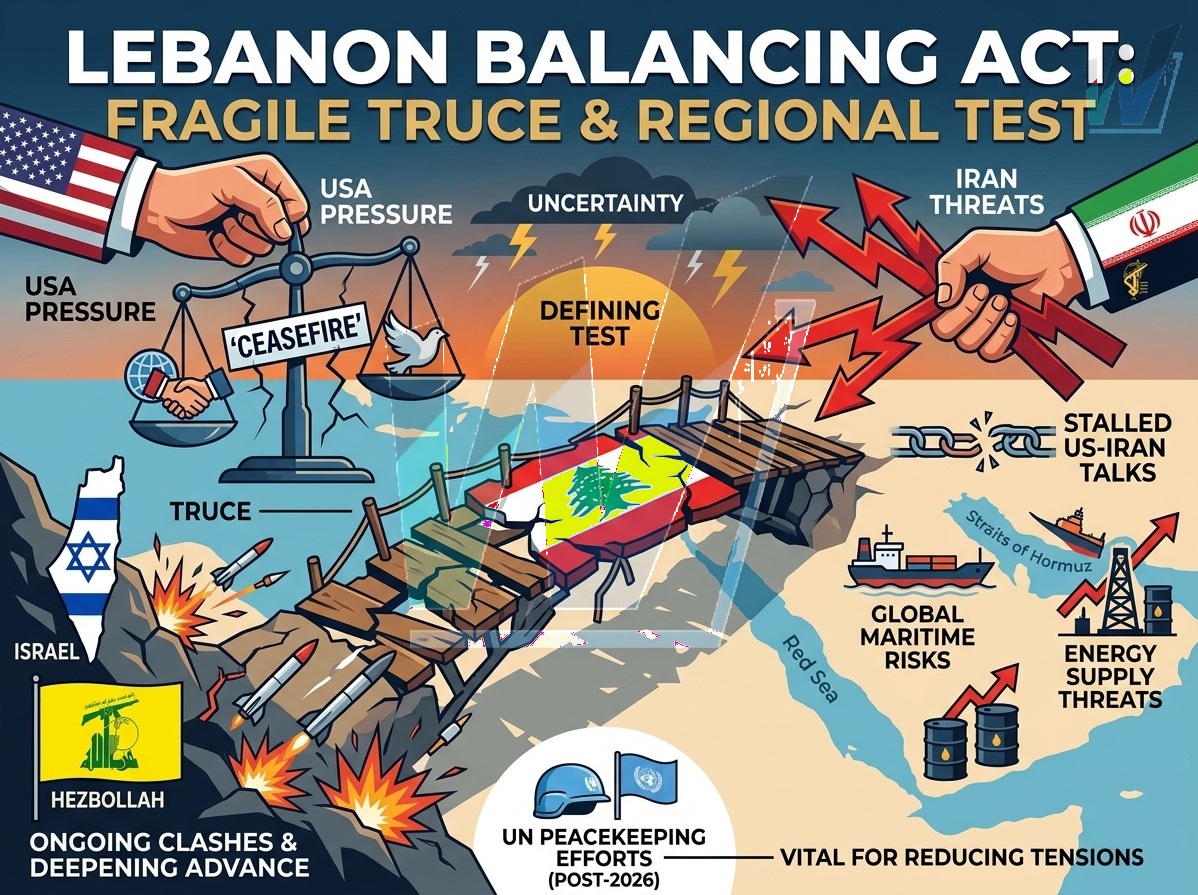
In one of the region’s most volatile moments in recent years, Lebanon’s front line appears perched atop a powder keg, waiting for the next spark. As Washington races to preserve a fragile ceasefire between Israel and Hezbollah, the crisis is becoming increasingly entangled with stalled U.S.-Iran negotiations and growing threats to global maritime security, raising fears that a local confrontation could quickly evolve into a broader regional crisis.
In a dramatic diplomatic development, U.S. President Donald Trump announced that an understanding had been reached to halt hostilities between Israel and Hezbollah. According to Trump, a series of intense communications with Israeli Prime Minister Benjamin Netanyahu, alongside indirect contacts facilitated by intermediaries, led both sides to agree to a ceasefire.
The announcement was hailed by some as a last-minute effort to prevent the conflict from spiraling into a wider war. Yet behind the scenes, the situation appears far more fragile than the public statements suggest.
Trump revealed that Netanyahu had canceled a planned strike on Beirut at the final moment, highlighting the scale of American pressure aimed at containing the escalation. At the same time, the U.S. president insisted that negotiations with Iran remain active and are moving rapidly despite the military and political turbulence shaking the region.
Beirut Catches Its Breath—For Now
Lebanese officials subsequently announced a partial ceasefire arrangement under which Israel would refrain from conducting strikes on Beirut and its southern suburbs, while Hezbollah would halt attacks directed toward Israeli territory.
Yet the agreement remains limited in scope. It does not cover all Lebanese territory, nor does it represent a final settlement to the ongoing conflict.
While relative calm has returned to the skies over the capital, southern Lebanon remains engulfed by military operations and sporadic clashes. The continuing violence underscores the fragility of the arrangement and raises the possibility that it could unravel at any moment.
Meanwhile, Lebanese officials are preparing for a new round of talks in Washington, hoping to expand the understanding into a broader framework capable of delivering longer-term stability.
Growing Friction Between Washington and Tel Aviv
Despite public attempts to project unity, signs of tension are emerging between the White House and the Israeli government.
Only hours after Trump announced the ceasefire understanding, Netanyahu declared that Israel would continue striking what he described as terrorist targets in Beirut if attacks against Israeli communities persisted.
The statement was widely interpreted as a challenge to Washington’s diplomatic efforts and a reminder that military calculations on the ground may not align with political objectives abroad.
Speculation intensified following reports of frustration within the White House. According to multiple accounts, Trump privately expressed anger toward Netanyahu, accusing him of jeopardizing broader efforts to secure a diplomatic breakthrough with Iran.
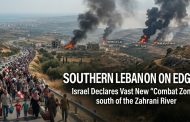
At the same time, Israeli ground forces continued advancing deeper into southern Lebanon, pushing toward the Zahrani River in what analysts describe as Israel’s deepest military penetration into the area in more than twenty-five years.
The advance has raised serious questions about the durability of any ceasefire and the true intentions of the parties involved.
Iran Talks Caught in the Crossfire
The consequences of the Lebanese escalation are no longer confined to the battlefield.
The crisis is now casting a shadow over the already fragile diplomatic track between Washington and Tehran.
Iranian media reports suggested that Tehran had suspended indirect negotiations with the United States in protest over Israeli operations targeting Hezbollah. Trump, however, stated that he had received no official notification confirming such a move.
Iran continues to tie any broader diplomatic progress to a halt in Israeli military actions in Lebanon, while Washington appears increasingly uncertain about the future of the negotiating process.
The conflicting messages coming from both capitals have deepened concerns that months of diplomatic efforts could be slipping toward collapse.
Maritime Threats Shake Global Energy Markets
As tensions rise on land, a new front of concern is emerging at sea.
Iran has intensified its rhetoric regarding strategic shipping routes, raising alarms across international markets.
Quds Force commander Esmail Qaani warned that maritime restrictions could expand beyond the Strait of Hormuz to include the Bab el-Mandeb Strait—two of the world’s most critical energy and trade corridors.
Such a move would threaten global shipping lanes and place enormous pressure on international energy supplies.
The warnings come as security restrictions in Gulf waters continue to disrupt maritime traffic. Financial markets reacted swiftly, with oil prices surging by approximately four percent amid fears of potential supply disruptions and broader instability throughout the region.
The United Nations Sounds the Alarm
Amid the mounting uncertainty, the United Nations has issued a stark warning.
UN Secretary-General António Guterres urged the international community to maintain a peacekeeping military presence in Lebanon after the current mandate of the United Nations Interim Force in Lebanon (UNIFIL) expires at the end of 2026.
Warning that a security vacuum could destabilize the border region, Guterres proposed several options for a future mission, ranging from roughly 2,000 personnel to more than 5,500 peacekeepers.
Their mandate would include monitoring ceasefire arrangements, supporting the Lebanese Armed Forces, and overseeing the Blue Line separating Lebanon and Israel.
According to the UN chief, an international military presence will remain essential for reducing tensions and preventing renewed conflict.
A Fragile Pause Before the Next Storm?
As military operations continue in southern Lebanon despite previous ceasefire announcements, a crucial question hangs over the region:
Can American pressure succeed in preserving a fragile calm, or is the Middle East drifting toward another dangerous cycle of escalation that could stretch from Lebanon’s battlefields to the world’s energy chokepoints and the future of nuclear diplomacy?
The coming days may determine whether the current truce marks the beginning of a genuine political breakthrough—or merely a brief pause before the storm returns.