
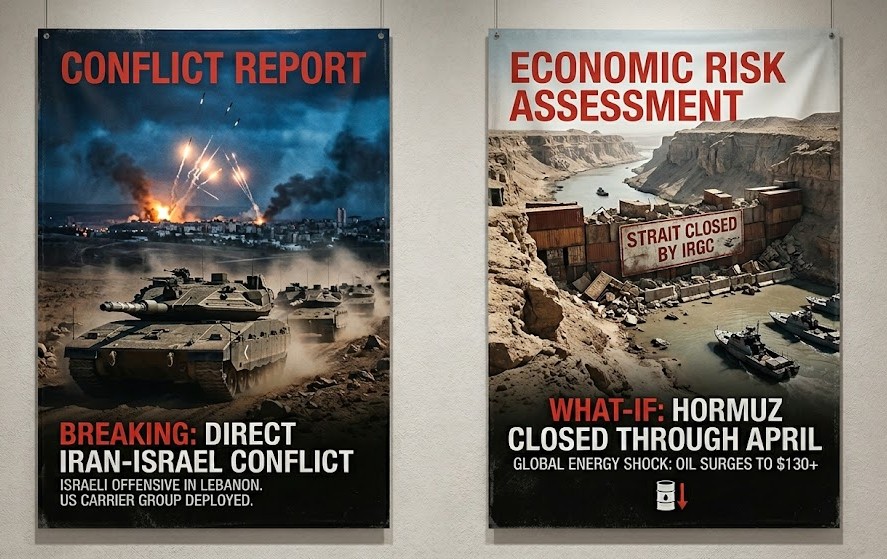
As of March 26, 2026, the Middle East is currently gripped by a massive regional conflict that has shifted from the initial Gaza-focused war to a direct, high-intensity confrontation involving the United States, Israel, and Iran.
Here is the breakdown of the current situation based on the latest reports from CNN, BBC, Reuters, and AP.
I. Current News Summary
The Main Front: US-Israel vs. Iran
- Military Escalation: The U.S. and Israel are in the fourth week of a massive air and sea campaign against Iran, dubbed “Operation Epic Fury.” Over 10,000 targets have been struck in Iran.
- The Naval War: The Strait of Hormuz is essentially closed to Western-linked shipping. Iran has fired missiles at the USS Abraham Lincoln and continues to target energy infrastructure in the Gulf (Bahrain, Kuwait, and Saudi Arabia).
- High-Profile Casualties: Israel has confirmed the killing of the IRGC Naval Commander, Alireza Tangsiri, in a recent strike. This follows the reported deaths of several other top Iranian security officials earlier this month.
The Lebanon & Gaza Fronts
- Lebanon: Israel has launched a new ground occupation of Southern Lebanon, establishing a “defensive buffer” up to the Litani River. The Lebanese government has officially expelled the Iranian Ambassador, signaling a historic rift between Beirut and Tehran.
- Gaza: While a formal “Phase II” of a peace plan is technically in place, sporadic fighting continues. An “International Stabilization Force” (including troops from Indonesia and Morocco) is being prepared to oversee the transition of power from Hamas to a reformed Palestinian Authority.
Diplomatic “Off-Ramps”
- The Trump 15-Point Plan: The U.S. administration has proposed a deal via Pakistan involving the decommissioning of Iran’s nuclear sites (Natanz, Fordow) and the reopening of the Strait of Hormuz.
- Tehran’s Stance: Officially, Iran has rejected the terms, mocking the U.S. for “negotiating with themselves,” though indirect messages are reportedly still flowing through Islamabad.

II. Analysis: The “Triple-Front” Strategy
The current conflict is no longer a “proxy war”; it has evolved into a direct decapitation strategy.
- Systemic Attrition: The U.S. and Israel are targeting the “nervous system” of the Iranian regime—striking internal security (Basij) bases and communication hubs to encourage domestic instability while simultaneously degrading military hardware.
- Economic Strangulation: By hitting Iran’s energy ports (like South Pars) and responding to the Hormuz blockade, the coalition is attempting to make the war too expensive for the Iranian clerical establishment to sustain.
- Diplomatic Realignment: The expulsion of the Iranian ambassador from Lebanon is a massive blow to the “Axis of Resistance.” It suggests that regional states are moving to insulate themselves from Tehran’s collapse to avoid being dragged down with it.
III. Expectations: What Happens Next?
Based on current trajectories, here is what to expect in the coming weeks:
- The “Unleash Hell” Window: The Trump administration has signaled a deadline for the 15-point plan. If Iran does not enter formal talks by early April, expect an escalation to Level 3 targets, which would include Iran’s domestic power grid and telecommunications, effectively “going dark.”
- Ground Troops Debate: While the U.S. currently relies on “Operation Epic Fury” (air/sea), the Pentagon has not ruled out “limited ground incursions” to secure nuclear sites or the Strait of Hormuz islands. This remains the highest risk for a “forever war” scenario.
- The “Mojtaba” Transition: With the reported appointment of Mojtaba Khamenei to succeed his father as Supreme Leader, internal power struggles within the IRGC may lead to either a total hardening of the war effort or a sudden, desperate coup from “moderate” military factions looking to save the state.
Final Assessment: We are at the most dangerous point in Middle Eastern history since 1973. The next 14 days will determine if this ends in a “Grand Bargain” or a total regional collapse.
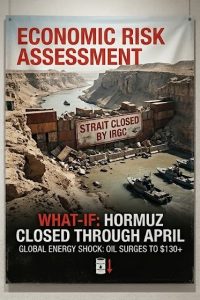
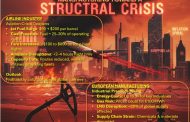
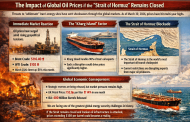
The “what-if” scenario for a continued closure of the Strait of Hormuz through April 2026 is no longer a theoretical exercise—it is the primary concern for global markets as the conflict enters its second month.
Currently, as of March 26, 2026, approximately 15 to 20 million barrels per day (bpd) of oil and massive volumes of Liquefied Natural Gas (LNG) are effectively stranded. Here is the drafted scenario for an April-long blockade.
Scenario: The “April Blackout”
- The Price Surge: Brent at $130+
If the IRGC maintains its “area denial” capabilities and the U.S. “Operation Epic Fury” fails to neutralize anti-ship batteries by April 1st, market psychology will shift from “temporary spike” to “structural shortage.”
- Immediate Impact: Brent Crude, currently hovering near $104–$110, would likely gap up to $130–$150 per barrel.
- The “Shadow Premium”: Even if some “shadow tankers” smuggle oil out, the insurance premiums for legal vessels would become “un-fixable,” essentially ending commercial traffic.
- Refinery Starvation: Asian refineries (specifically in China, India, and Japan) that rely on Medium/Heavy Sour grades from the Gulf cannot easily swap to U.S. Light Sweet crude. Expect a diesel and jet fuel crisis by mid-April.
- The “Gasoline Ghost”: Global Inflation
A month-long closure through April would act as a massive “tax” on the global consumer, likely adding 1.0 to 1.5 percentage points to global inflation.
- The U.S. Pump: National averages in the U.S. could hit $6.00–$7.00 per gallon, forcing the administration to consider aggressive rationing or a massive new release from the Strategic Petroleum Reserve (SPR), which is already at historic lows.
- The “Euro-Freeze”: With Qatari LNG blocked, European gas benchmarks (TTF) would likely double again. This would force industrial shutdowns in Germany’s chemical and manufacturing sectors.
- Regional Economic “Sudden Death”
For the Gulf states (GCC), a blockade through April is an existential threat to their fiscal budgets.
- Revenue Loss: Gulf producers are losing roughly $1.1 billion per day in unrealized revenue.
- The Desalination Threat: 70% of the region’s food and the spare parts for desalination plants (which provide drinking water for 60 million people) arrive via the Gulf. A total blockade through April could trigger a humanitarian crisis inside the UAE, Kuwait, and Qatar.
- Geopolitical Pivot: The “Escalation Ladder”
If the blockade holds through April 15th, the U.S. and its “Seven Ally” coalition would likely move from “Containment” to “Direct Occupation.”
- Expectation: A massive amphibious assault to seize the Iranian islands of Abu Musa and the Tunbs to create a “safe corridor.” This would turn a maritime blockade into a full-scale land war.
Summary Table: The Economic “Hit”
| Metric | Pre-War Baseline | Current (March 26) | April Blockade Forecast |
| Brent Crude Price | $70 – $75 | $104 – $110 | $135 – $160 |
| Global GDP Impact | 2.8% Growth | -0.3% Drag | -1.5% to -2.0% Drag |
| Daily Revenue Loss | N/A | $600M | $1.1 Billion+ |
| Shipping Costs | Standard | +300% (War Risk) | +500% (Reroute via Africa) |